

Executive Summary
As North American OEMs and Tier-1 suppliers accelerate lightweighting initiatives to meet strict CAFE fuel standards and structural EV demands, servo hydraulic technology has emerged as a cornerstone of advanced production lines. This technical report provides an exhaustive side-by-side comparison between Servo Composite Hydraulic Presses and Servo Auto Trim Hydraulic Presses —analyzing structural kinematics, application profiles, operational economics, lifecycle ROI, safety compliance, and Industry 4.0 integration to empower plant directors and manufacturing engineers in optimizing capital equipment decisions.
1. Defining Servo Composite vs. Servo Auto Trim Hydraulic Presses
In modern industrial hydraulic engineering, generic terminology often obscures the fundamental architectural differences between specialized press systems. While both Servo Composite and Servo Auto Trim Hydraulic Presses utilize closed-loop AC servo motors driving bi-directional displacement hydraulic pumps (servo-pump technology), their mechanical execution, frame dynamics, kinematic profiles, and control integration diverge radically to suit their respective manufacturing objectives.
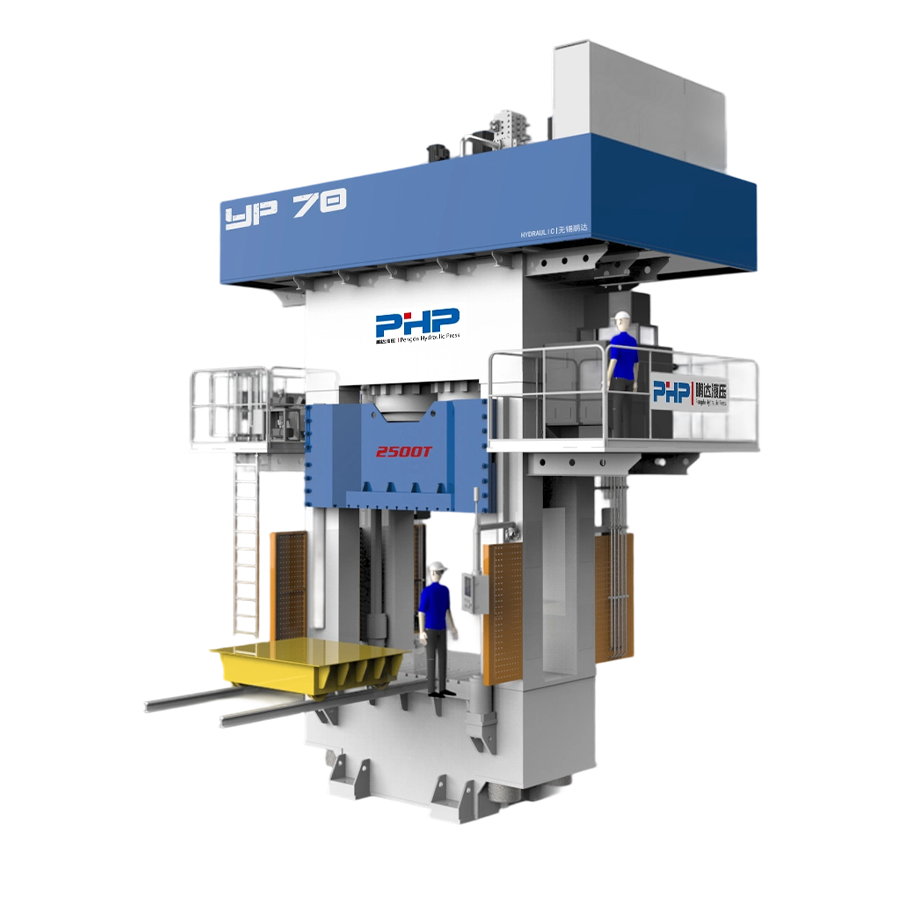
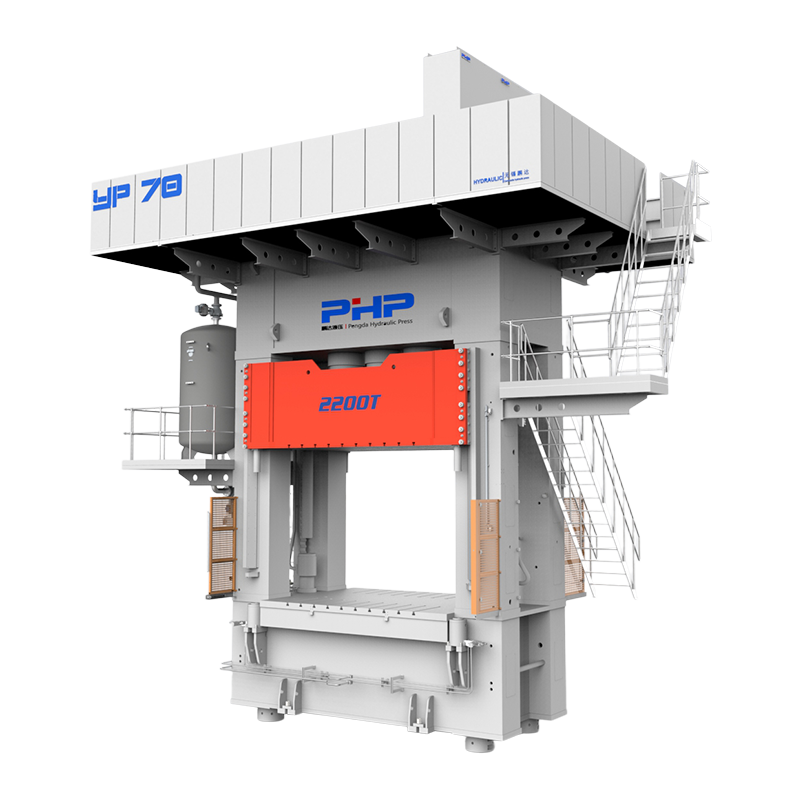
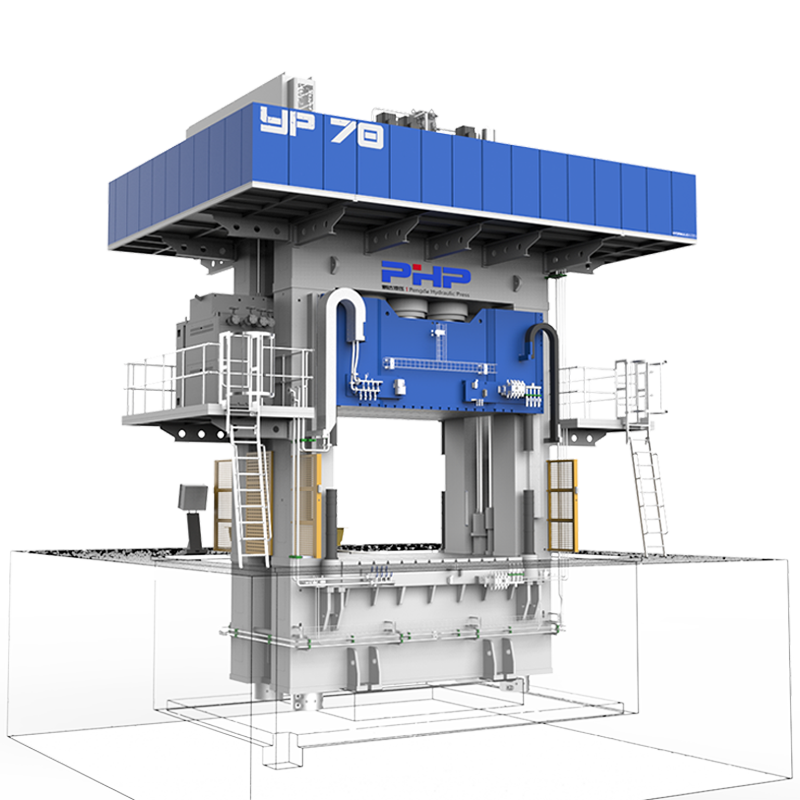
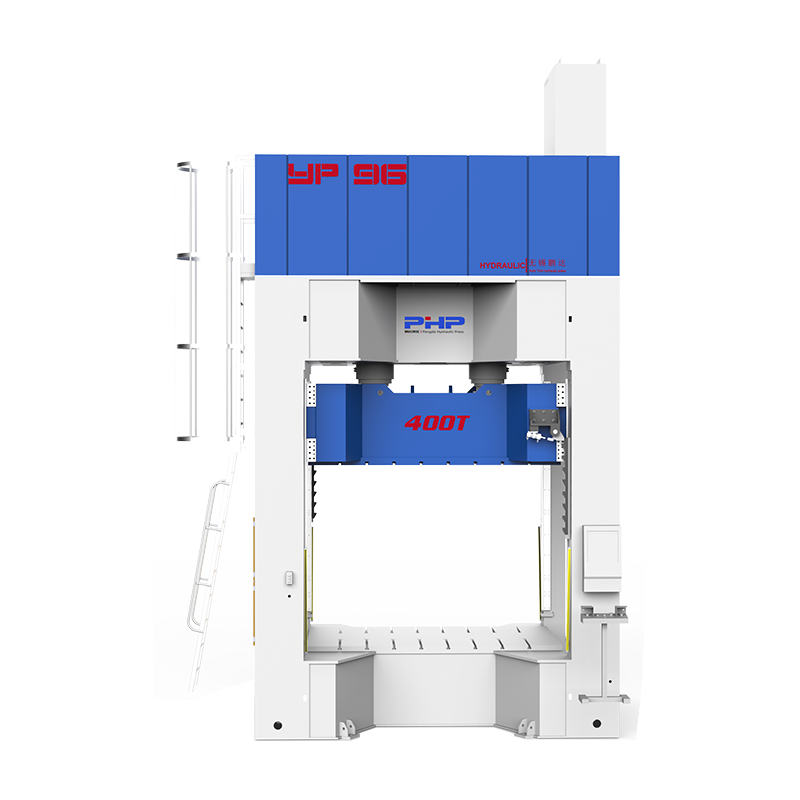
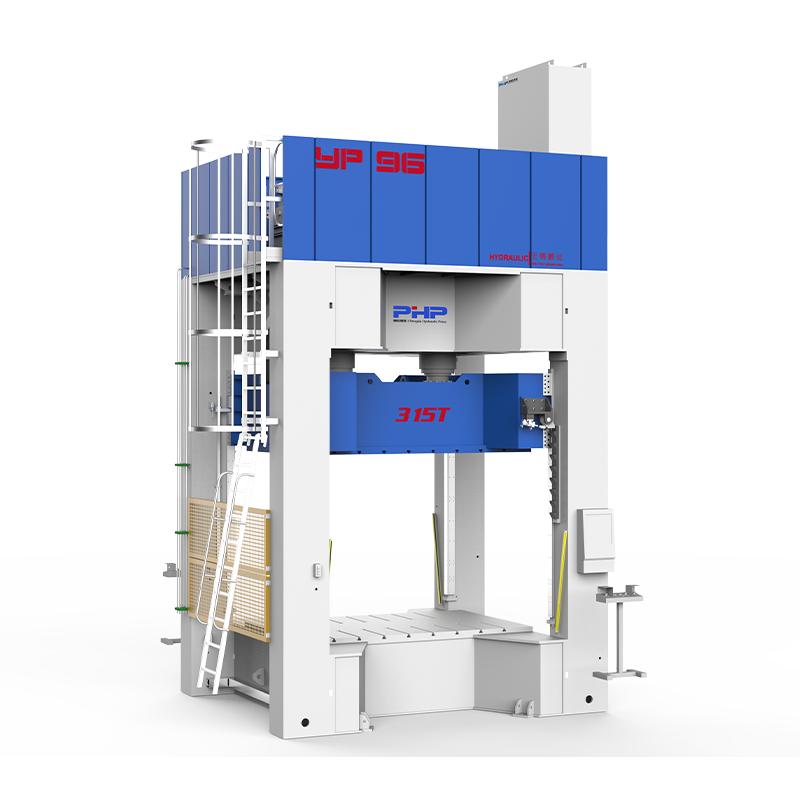
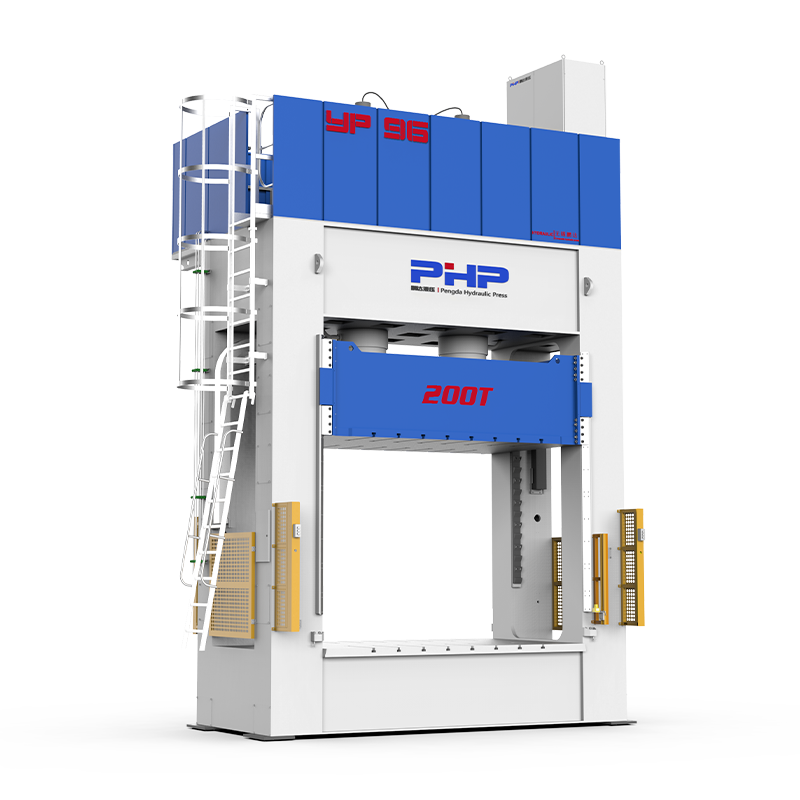
Servo Composite Hydraulic Presses are designed for multi-layer material compression molding, matrix consolidation, and thermoset/thermoplastic curing processes. They prioritize programmable multi-stage pressure profiling, long-duration high-pressure dwell capabilities, micro-meter parallelism, and strict thermal management . Because composite molding involves viscosity transitions, resin flow dynamics, and outgassing, composite presses feature highly rigid frames (often pre-tensioned tie-rod or heavy monoblock box structures) to prevent bed deflection under sustained tonnage, alongside multi-zone heating platen interfaces and integrated vacuum chamber controls.
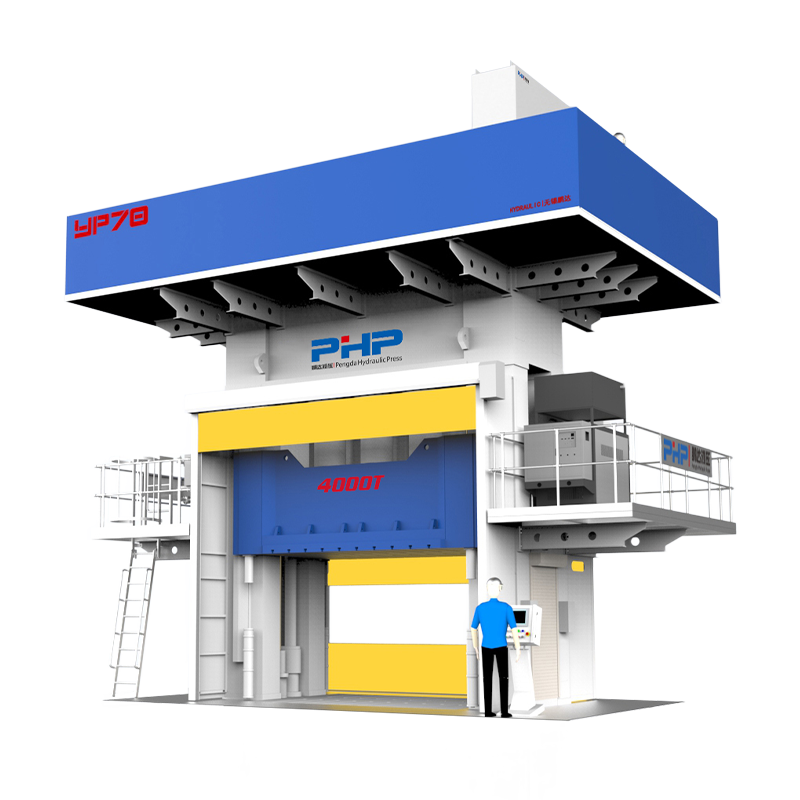
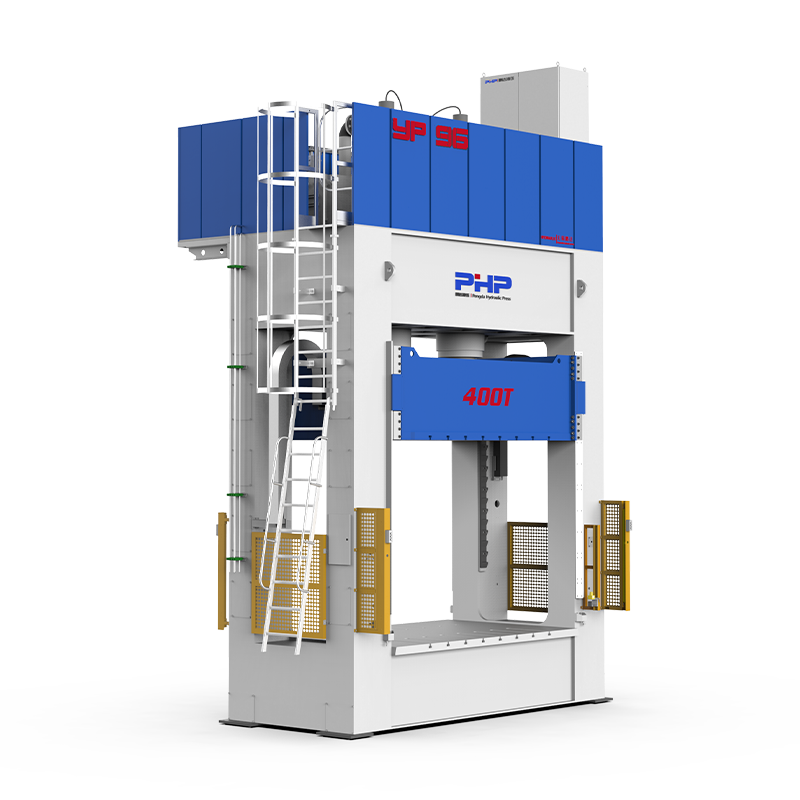
Servo Auto Trim Hydraulic Presses , by contrast, are specialized high-speed post-processing machines engineered to shear, pierce, and remove flash or excess material from stamped metal components, high-pressure die castings (HPDC), or thermoformed plastic panels. Their engineering emphasis centers on rapid acceleration/deceleration kinematics, extreme stroke positioning accuracy, high slide speeds, and seamless real-time synchronization with robotic automation and blanking/scrap evacuation systems . They feature wide daylight openings, lateral side windows for robotic arm pass-through, and specialized bolster beds optimized for rapid tool changeover and heavy shock-load absorption during shear snap-through.
Core Distinguishing Principle:
Composite presses control energy and displacement over extended time domains (securing material cure and flow integrity at static hold), whereas Auto Trim presses optimize kinetic energy transfer across ultra-short millisecond cycles (maximizing stroke frequency while neutralizing structural shock from shearing force release).
2. Application Suitability: Composite Molding vs. Automotive Trimming
The operational divide between these two machine topologies aligns directly with the structural evolution of North American manufacturing—particularly driven by U.S. Corporate Average Fuel Economy (CAFE) standards, National Highway Traffic Safety Administration (NHTSA) directives, and the rapid expansion of Electric Vehicle (EV) platforms across Detroit’s Big Three and emerging EV OEMs.
Servo Composite Presses: Aerospace, Wind Energy, and Heavy EV Structural Components
Composite presses dominate manufacturing environments where high strength-to-weight ratios are paramount. Primary applications across the U.S. industrial landscape include:
- Aerospace Structures: Carbon Fiber Reinforced Polymer (CFRP) floor beams, fairings, and structural brackets for commercial and defense aerospace (e.g., Tier-1 suppliers to Boeing and Lockheed Martin).
- Automotive Lightweighting: Underbody battery enclosures, structural cross-members, Class-A body panels, and leaf springs utilizing Sheet Molding Compound (SMC), Bulk Molding Compound (BMC), and Long Fiber Thermoplastics (LFT) for Tesla, Ford, and GM platforms.
- Wind Energy & Industrial: Nacelle covers, heavy structural gussets, and high-voltage electrical insulation components requiring void-free resin curing.
Servo Auto Trim Presses: Stamping Line Tail-Ends and Die-Casting Cells
Auto trim presses are workhorses deployed at the end of tandem metal stamping lines, structural aluminum die-casting cells, and hot-stamping (press hardening) systems across the Midwest and Southern U.S. automotive belts. Key deployment scenarios include:
- High-Pressure Die-Casting (HPDC) Trimming: Shearing runner systems, flash, and vacuum overflows from aluminum EV subframes, shock towers, and transmission housings immediately after casting.
- Hot-Stamped Ultra-High-Strength Steel (UHSS) Trimming: Piercing and perimeter trimming of boron steel B-pillars and roof rails where mechanical shearing or hybrid laser/shear trimming is required at high cycle rates.
- Body-in-White (BIW) Stamping: Trimming outer door panels, hood skins, and fenders to precise tolerances prior to hem flanging.
3. Technical Specifications: Head-to-Head Comparison
To provide a clear engineering baseline, the following comparative matrix details the core technical metrics governing performance, energy consumption, and material dynamics for both press classes.
| Specification Parameter | Servo Composite Hydraulic Press | Servo Auto Trim Hydraulic Press |
|---|---|---|
| Tonnage Range | 300 Ton – 5,000 Ton (Up to 100,000 kN) | 50 Ton – 1,200 Ton |
| Stroke Precision & Repeatability | ±0.01 mm to ±0.02 mm (Closed-loop scale) | ±0.02 mm to ±0.05 mm (High-speed encoder) |
| Parallelism Control | Active 4-cylinder electronic tilt control (≤0.02 mm/m) | Mechanical 8-guide rail alignment (≤0.05 mm/m) |
| Fast Approach / Return Speed | 200 – 400 mm/s | 500 – 1,000 mm/s |
| Pressing / Work Speed | 0.1 – 20 mm/s (Micro-speed controllable) | 50 – 150 mm/s (Rapid shear penetration) |
| Energy Consumption Profile | Near-zero power draw during long pressure hold; high pump idle efficiency. | High regenerative braking energy recovery during frequent deceleration cycles. |
| Material Compatibility | SMC, BMC, LFT, CFRP, RTM, Prepregs, Thermoplastics. | High-Strength Steel, Ultra-High-Strength Steel (UHSS), Cast Aluminum, Sheet Metal. |
Energy Efficiency Mechanisms
Both architectures drastically outperform conventional proportional valve hydraulic presses, reducing energy consumption by 40% to 70% . However, their energy conservation mechanisms differ:
- Composite Hold-Pressure Efficiency: In a conventional press, prolonged pressure holding forces hydraulic oil through relief valves at high pressure, generating massive heat and wasting kilowatts. Servo composite presses reduce motor RPM to near zero during dwell while maintaining full system pressure, consuming under 5% nominal motor power and eliminating oil cooling demands.
- Auto Trim Kinetic Braking: Auto trim presses operate under relentless cycling (15–30 strokes/min). During high-speed deceleration, the servo motor acts as a generator, converting kinetic mechanical energy back into electrical energy fed into a common DC bus or braking resistor, lowering overall plant grid peak demand.
4. Cost Analysis, Maintenance Demands, and ROI Calculation
Evaluating capital machinery requires a Total Cost of Ownership (TCO) perspective over a 5- to 10-year operational horizon. Below is an analytical life-cycle breakdown for U.S.-based manufacturing facilities.
Capital Investment vs. Operational Expenditure
While initial capital expenditure (CapEx) for a 1,000-ton Servo Composite Press is typically 25% to 40% higher than a similar-tonnage Servo Auto Trim Press due to complex parallel hydraulic circuitry, vacuum interfaces, and heated platens, their operational cost trajectories diverge significantly over time:
- Maintenance Frequency: Auto Trim Presses experience severe shock loads due to “break-through shock” when shearing thick aluminum or UHSS. This dynamic vibration causes accelerated wear on hydraulic seals, guide bushings, and shear tooling. Maintenance cycles for seal replacement and guide realignment are 2x to 3x more frequent than on composite presses.
- Auxiliary Energy Costs: Composite presses without optimized platen insulation or intelligent zone heating can incur substantial electric heating bills. Integrating servo hydraulics with thermal barrier insulation ensures maximum net savings.
3-Year ROI Calculation Model (U.S. Manufacturing Context)
Consider replacing a conventional 600-ton proportional hydraulic press with a Wuxi PengdaHZ Servo Hydraulic Press operating on a two-shift basis (4,000 operating hours/year) in a U.S. facility paying $0.12/kWh:
Financial ROI Snapshot
- Baseline Energy Consumption (Conventional 600T): 75 kW average continuous load × 4,000 hrs = 300,000 kWh/yr ($36,000/yr).
- Servo Drive Energy Consumption (Wuxi PengdaHZ 600T): 25 kW average continuous load × 4,000 hrs = 100,000 kWh/yr ($12,000/yr).
- Direct Annual Energy Savings: $24,000 per shift/year ($48,000/yr for 2-shift operations).
- Hydraulic Oil Cooling & Fluid Longevity Savings: Reduced thermal stress extends oil change intervals by 3x and cuts chiller power by $8,500/yr.
- Scrap Reduction & Tool Life Extension: Precision position and shock mitigation extend trim tool life by 30%, saving $22,000 in annual regrinding/tooling downtime.
- Total Annual Cost Offset: ~ $78,500 / year.
- Payback Horizon: Full CapEx premium recovered in 2.1 to 2.8 years .
Retrofit (Modernization) Feasibility
For budget-sensitive mid-tier supplier facilities in states like Ohio, Michigan, or Indiana, retrofitting existing conventional hydraulic press frames with servo-driven pump units (Servo Retrofit) presents a compelling alternative. Wuxi PengdaHZ offers modular servo hydraulic retrofit kits, allowing factories to retain heavy cast-iron frames while replacing outdated hydraulic power units, yielding 50% energy savings at 35% of the cost of a new machine.
5. Controls, Safety Compliance, and Industry 4.0 Integration
Modern machine integration in North America demands rigorous adherence to functional safety and advanced digital communication frameworks.
CNC Control Architecture
Composite Presses utilize multi-axis closed-loop motion control platforms (e.g., Siemens S7-1500T or Beckhoff Automation) featuring custom pressure-displacement curves. Controls monitor resin gel times, control active leveling cylinders via high-speed proportional valves, and synchronize auxiliary core pulls and vacuum pumps.
Auto Trim Presses rely on motion controllers optimized for high-speed deterministic fieldbus networks (EtherCAT, PROFINET IRT). Control algorithms focus on dynamic position triggering, electronic camming with robotic transfer arms, and scrap chute blow-off synchronization.
North American Safety Standards Compliance
All machinery deployed across the United States must strictly conform to federal OSHA 1910.217 / 1910.212 directives and ANSI safety standards:
- ANSI B11.2 (Hydraulic Power Presses): Mandates redundant hydraulic safety drop valves (monitored dual valves) to prevent accidental slide descent.
- Control Safety (ANSI / RIA R15.06 & NFPA 79): Safety-rated PLCs governing Category 4 / PL e optical light curtains, dual-hand control stations, and safety-monitored slow speed mode during die setup.
- Shock & Noise Reduction: Auto trim presses incorporate hydraulic shock absorbers and servo profile smoothing to maintain noise levels below OSHA’s 85 dBA 8-hour TWA limit.
Industry 4.0 & Predictive Maintenance
Wuxi PengdaHZ equipment comes standard with open communication architectures, including OPC UA and MQTT protocols , enabling seamless integration into factory MES and SCADA networks. Real-time edge sensors monitor pressure ripple FFT frequency, servo motor thermal profiles, hydraulic fluid particulate counts, and slide parallelism deviation. Machine learning models predict seal degradation or pump cavitation weeks before operational failure occurs, virtually eliminating unscheduled downtime.
Find the Right Servo Hydraulic Press for Your Operation
Navigating the transition to servo-hydraulic technology requires experienced engineering partnership. At Wuxi PengdaHZ Intelligent Equipment Co., Ltd. ( wuxipd.com ), we do not push off-the-shelf machinery—we deliver tailored engineering solutions matched to your exact material requirements, cycle time targets, and ROI parameters.
Take Advantage of Our Engineering Consultation Service:
- Submit your component drawings, mold specifications, target annual volume, and budget window.
- Receive a comprehensive technical proposal including customized 3D layout, cycle time simulation, energy-payback calculation, and preliminary TCO analysis.
- Benefit from our global support network, including on-site evaluation, installation, and technical service across North American manufacturing hubs.
Contact our technical sales team today at www.wuxipd.com to request your zero-risk press optimization assessment.
Frequently Asked Questions (FAQ)
Q: What exactly distinguishes a servo composite hydraulic press from a servo auto trim hydraulic press?
A: A composite press is engineered for long pressure dwell, temperature integration, and precision resin curing over multi-second or minute cycles. An auto trim press is built for rapid, high-frequency stroke cycles designed to shear excess material and flash off stamped or cast components with minimal shock loading.
Q: Which U.S. manufacturing sectors benefit most from each press type?
A: Composite presses primarily serve aerospace, EV structural components, wind energy, and defense sectors working with CFRP, SMC, and thermoplastic matrix materials. Auto trim presses are heavily utilized in automotive tier-1 die-casting, sheet metal body-in-white (BIW) stamping, and hot-stamped boron steel lines across Detroit and the Southern U.S. automotive corridor.
Q: How do energy consumption and cycle times differ between composite and auto trim servo hydraulic presses?
A: Composite presses save up to 70% energy during extended pressure-holding phases by slowing servo motors to near zero RPM while maintaining full pressure. Auto trim presses save energy through high dynamic deceleration and kinetic energy regeneration back into the electrical grid during rapid cycling (15–30 strokes per minute).
Q: What tonnage ranges are available for composite molding versus metal trimming applications?
A: Servo composite presses typically range from 300 tons up to massive 5,000 ton systems to accommodate large surface area molds. Servo auto trim presses generally operate in the 50-ton to 1,200-ton range, focusing on localized shearing force and rapid mechanical throughput.
Q: Can I retrofit an existing conventional hydraulic press to a servo-driven system for either composite or trimming work?
A: Yes. Wuxi PengdaHZ provides custom servo-hydraulic retrofit packages. By replacing fixed-speed motors and proportional valves with closed-loop servo motor-pump units and updated PLC controls, existing heavy press frames can achieve up to 50% energy reductions and modernized stroke precision at a fraction of new equipment cost.
Q: Which safety certifications and standards apply to servo hydraulic presses used in American factories?
A: Machinery operating in North America must comply with OSHA 1910.217/1910.212, ANSI B11.2 (Hydraulic Safety), ANSI/RIA R15.06 (Robotic Integration), and NFPA 79 (Electrical Safety Standards), incorporating dual-channel monitored safety valves and Category 4 / PL e light curtains.
Q: How do Industry 4.0 capabilities (real-time monitoring, predictive maintenance) vary between these two press types?
A: Composite presses focus Industry 4.0 data acquisition on multi-point pressure-displacement curves, resin flow telemetry, and thermal platen mapping. Auto trim presses focus telemetry on stroke vibration FFT analysis, hydraulic shock spikes, tool shear wear detection, and cycle synchronization with transfer robotics via OPC UA and EtherCAT interfaces.
© 2026 Wuxi PengdaHZ Intelligent Equipment Co., Ltd. All rights reserved. | Official Website: www.wuxipd.com